
Learn, Grow, Leap, Repeat
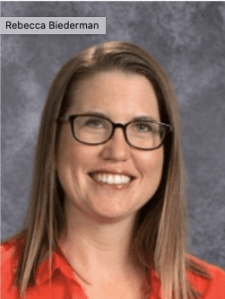
I have been many things thus far in life: student, teacher, mentor, coach, entrepreneur/business owner, foodie, and mother, to name a few. Regardless of the role, what drives me, sustains me, excites me, and challenges me, is learning.
Throughout my professional career I have derived great satisfaction from designing and facilitating dynamic and authentic learning experiences online, in-person, or a blend of both. Any teacher worth their salt will tell you the key to being a great teacher is to be a great learner. I model that by following my own sense of curiosity and constantly evolving my skillsets.
What I have learned about myself is that it doesn’t matter if I am teaching gymnastics to elementary students, psychology to high school students, or manufacturing processes to adults because it all brings me joy and puts me in a state of flow.
I started my professional career as a secondary social studies teacher. I have taught every grade 6-12 at one point or another, but for the last 5 years I have been teaching primarily psychology, political science and world history to the upper grades 10-12.
I have designed online, blended and in-person courses using a wide variety of technology resources including Schoology LMS, Google Suite, Microsoft Office Applications, Screencastify, Quizlet, Kahoot, Pear Deck, Jamboard, Edpuzzle and more.
My passion for good instructional design has crystalized for me over the past few years and has inspired me to pursue a new path that leads me away from the classroom to apply my skills in the corporate or non-profit arena with adult learners. I launched this new path by completing the Instructional Design for eLearning certificate at the University of Minnesota in May of 2021.
Working with subject matter experts to distill knowledge and translate it to help others aquire those same skills is a very dynamic and exciting process for me. My goal is to design and facilitate the learning experiences that enable professionals to learn, grow and leap forward in their careers, just as I have done.
 Rebecca Biederman